
Call Now For Help
Houston Bat Removal and Exclusion Services
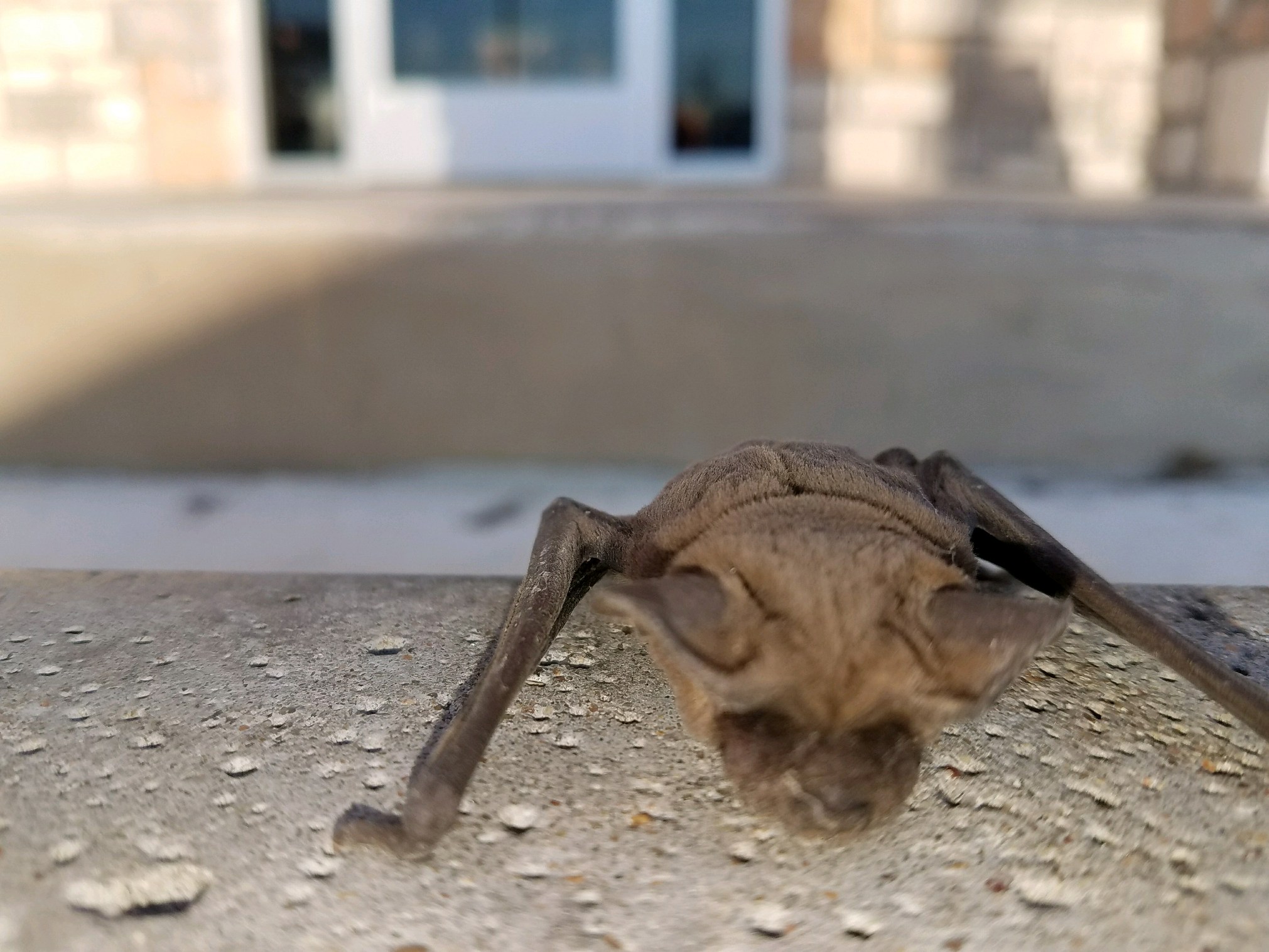
Hearing high-pitched squeaking at dusk? Finding small dark droppings in your attic? Smelling ammonia near your roofline? You likely have bats roosting in your home. The Critter Team provides professional bat removal and exclusion for homes and businesses throughout the greater Houston area, with NWCOA Bat Standards certification backing every job.
Bat removal requires specialized knowledge that general pest control companies do not have. Texas law protects bats, which means exclusions must be performed correctly and at the right time of year. We use humane one-way exclusion devices that let bats leave but prevent re-entry, then seal every gap and opening so they cannot return.
Call now for a free bat inspection:
(281) 667-0171 Humble, TX (281) 800-4992 Spring, TX
Why Bats in Your Houston Home Require Professional Removal
Health Risks from Bat Infestations
Histoplasmosis: Bat guano (droppings) contains spores of the fungus Histoplasma capsulatum. When guano accumulates and dries, these spores become airborne and can be inhaled, causing a lung infection called histoplasmosis. The CDC identifies histoplasmosis as a particular risk in areas where bat droppings accumulate, including attics. Symptoms range from mild flu-like illness to severe respiratory disease requiring hospitalization.
Rabies: Bats are the leading cause of rabies deaths in the United States according to the CDC. While less than 1% of bats carry rabies, any bat found in living spaces or behaving abnormally should be treated as a potential exposure risk. Never handle a bat with bare hands. If you wake up to find a bat in your bedroom, or if a bat has been in a room with an unattended child or sleeping person, contact your doctor and local health department immediately.
Ectoparasites: Bat colonies host populations of bat bugs, mites, fleas, and ticks. When bats are excluded improperly or die inside a structure, these parasites seek new hosts and can migrate into living spaces.
Property Damage from Bat Colonies
A colony of bats living in your attic produces guano continuously. Over months and years, this accumulation saturates insulation, stains ceilings, corrodes wood and metal, and creates overwhelming odor. The moisture from urine and guano promotes mold growth and can compromise structural integrity. Bat urine crystallizes and leaves permanent staining on surfaces it contacts.
The longer a colony remains, the more extensive and expensive the damage becomes. Early intervention prevents small problems from becoming major restoration projects.
Bat Species Found in Houston Homes
The greater Houston area hosts at least 11 bat species according to TPWD’s bat-watching sites guide. Several of these commonly roost in residential structures:
Mexican Free-Tailed Bat (Tadarida brasiliensis)
The Mexican free-tailed bat is the most common bat in Texas and the official state flying mammal. Houston’s Waugh Drive Bridge colony contains over 250,000 of these bats. They are highly colonial and prefer roosting in large groups in attics, under bridges, and in building crevices. Mexican free-tailed bats in Houston belong to a subspecies (cynocephali) that does not migrate and remains active year-round, unlike the migratory subspecies found in Central Texas.
These bats are identifiable by their tail extending freely beyond the tail membrane, wrinkled lips, and large ears. Colonies produce significant guano accumulation and strong ammonia odor.
Evening Bat (Nycticeius humeralis)
Evening bats are common in Houston backyards and frequently roost in attics, behind shutters, and in wall voids. They emerge earlier than other species, often while daylight is still visible. Female evening bats form maternity colonies of 25 to 1,000 individuals and frequently share roosts with Mexican free-tailed bats.
Big Brown Bat (Eptesicus fuscus)
Big brown bats are larger than Mexican free-tailed bats and often roost singly or in small groups in attics, wall voids, and behind siding. They are year-round residents that do not migrate, making them a persistent problem once established in a structure.
Eastern Red Bat (Lasiurus borealis)
Eastern red bats typically roost in tree foliage rather than structures, but occasionally enter homes through open doors or windows. Their distinctive reddish-orange fur makes them easy to identify. These are usually single-bat encounters rather than colony infestations.
Texas Bat Removal Laws and Exclusion Timing
Bats are protected under Texas law. According to TPWD bat regulations, bats cannot be hunted, killed, possessed, purchased, or sold. However, bats may be removed from buildings occupied by people.
Critical timing restriction: TPWD recommends avoiding bat exclusions between May 1 and August 15. This is the maternity season when flightless pups are present in colonies. Excluding adult bats during this period traps baby bats inside, where they will die, creating odor problems, attracting insects, and potentially driving desperate mothers to find alternate entry points into living spaces.
The timing of maternity season varies slightly by species:
- Mexican Free-Tailed Bat: May 20 through August 10
- Evening Bat: April 20 through July 15
- Big Brown Bat: June 1 through August 15
The Critter Team schedules bat exclusions outside the maternity season to ensure humane, effective, and legal removal. If you discover bats during maternity season, we will inspect your property, identify entry points, and develop an exclusion plan to execute as soon as the season ends in mid-August.
What We Can Do During Maternity Season
While exclusion work must wait, we can still help during the restricted period:
- Conduct a full inspection to identify all entry points and roosting locations
- Assess the extent of guano accumulation and damage
- Prepare a detailed exclusion plan with pricing
- Schedule your exclusion for the first available date after August 15
- Remove any bats that have entered living spaces (emergency service)
How The Critter Team Removes Bats From Houston Homes
Bat removal is not pest control. Poison does not work on bats (and is illegal). Trapping is ineffective for colonial species. The only proven method is exclusion: allowing bats to leave through one-way devices while sealing every other entry point so they cannot return.
Mike Garrett holds NWCOA Bat Standards Certification, the wildlife control industry’s recognized credential for bat biology, exclusion techniques, and safe handling protocols. This certification requires demonstrated competency in identifying bat species, locating entry points, installing exclusion devices, and timing work to avoid maternity season conflicts.
Step 1: Comprehensive Inspection
We inspect your entire structure to identify bat species, locate every entry point, assess guano accumulation, and evaluate damage. Bats can squeeze through gaps as small as 3/8 inch, so this inspection must be thorough. We check ridge vents, soffit intersections, gable vents, chimney caps, fascia boards, and any gaps where different building materials meet.
You receive a detailed written report with photos documenting our findings and recommendations.
Step 2: One-Way Exclusion Device Installation
We install exclusion devices at primary entry points. These devices allow bats to exit the structure when they leave to feed at dusk but prevent them from re-entering. The devices remain in place for 5 to 7 days to ensure all bats have departed, including any that may have been roosting deeper in the structure.
Step 3: Complete Entry Point Sealing
While exclusion devices handle the main entry points, we seal all secondary gaps and potential entry points with professional-grade materials. Mike Garrett is a Ridge-Guard Certified Installer, trained in ridge vent exclusion systems that permanently seal one of the most common bat entry points on Houston homes.
We use metal flashing, hardware cloth, foam sealants, and custom-fabricated barriers depending on the specific situation. Mike’s Advanced Metal Fabrication certification allows us to build custom exclusion materials on site when standard products do not fit.
Step 4: Exclusion Device Removal and Final Sealing
After confirming all bats have exited, we remove the one-way devices and permanently seal those entry points. At this stage, your home is fully bat-proofed against re-entry.
Step 5: Guano Cleanup and Attic Decontamination
Bat guano must be removed carefully to avoid dispersing histoplasmosis spores. We remove contaminated insulation, vacuum guano deposits using HEPA-filtered equipment, and apply antimicrobial treatments to sanitize affected areas. If insulation replacement is needed, we handle that as well.
This step addresses the health hazards that remain after bats are gone and eliminates the scent markers that could attract new bats to your home in future years.
Step 6: Warranty and Follow-Up
All exclusion work is backed by a written warranty. If bats re-enter through our exclusion work, we return and fix the problem at no additional cost.
Why Houston Homeowners Choose The Critter Team for Bat Removal
NWCOA Bat Standards Certification
Mike Garrett holds NWCOA Bat Standards Certification from the National Wildlife Control Operators Association and has been an NWCOA member since 2016. This is not an online course or a general pest control license. It requires demonstrated expertise in bat biology, species identification, exclusion techniques, disease prevention, and compliance with state and federal regulations.
In 2018, The Critter Team received the Animals Happen Excellence Award recognizing Mike Garrett and his team as “among the very best in the nation when it comes to bat removal and exclusion.”
Veteran-Owned, Locally Operated
The Critter Team is not a franchise. It is a Houston-area business founded and run by military veteran Mike Garrett since June 2015. Mike still works in the field, personally trains every technician, and stands behind every job. When customers mention Mike by name in reviews, it is because he was the one on their property doing the work.
$1 Million Insurance Coverage
We carry $1 million per occurrence in general liability insurance plus workers compensation coverage for all employees. Bat exclusion work involves accessing roofs, attics, and high areas of your home. You want to know the people doing that work are properly insured.
Two Houston Area Locations
Our Humble headquarters and Spring office mean we are already close when you call. Average emergency response time is 2 hours. If a bat has entered your living space, we can be there quickly to safely capture and remove it.
Correct Timing and Legal Compliance
We follow TPWD guidelines and schedule exclusions outside the May 1 to August 15 maternity season. This protects bat populations, prevents the problems caused by trapped pups, and ensures your exclusion is effective and permanent.
Houston Bat Removal: Frequently Asked Questions
How do I know if I have bats in my attic?
Common signs include high-pitched squeaking or scratching sounds at dusk and dawn, small dark droppings (guano) that crumble into shiny fragments when crushed, strong ammonia odor near rooflines or in attics, dark staining around roof gaps or soffits from body oils, and sightings of bats entering or exiting at twilight. If you are unsure, call us for a free inspection.
Are bats in my attic dangerous?
Yes. Bat guano carries histoplasmosis fungal spores that cause respiratory illness when inhaled. Bats are the leading source of rabies transmission to humans in the United States. Additionally, bat colonies host parasites that can migrate into living spaces when bats are removed or die. Professional removal and cleanup protects your family’s health.
Can I remove bats myself?
We strongly advise against it. Bat exclusion requires specialized knowledge of bat behavior, proper timing to avoid maternity season, and correct installation of exclusion devices. Improper attempts often fail, trap bats inside walls, or create new entry points. Texas law also requires that bat removal be conducted humanely without harming the bats.
Why can’t you just remove the bats today?
If you call during maternity season (May 1 through August 15), we cannot perform exclusion work because flightless pups are present in the colony. Excluding adults during this time traps babies inside where they die, creating odor and pest problems far worse than the original bat issue. We can inspect and plan during this period, then execute the exclusion as soon as maternity season ends.
How much does bat removal cost in Houston?
Cost depends on the size of the colony, number of entry points, extent of guano accumulation, and whether attic restoration is needed. Single-bat removals from living spaces are straightforward. Full colony exclusions with cleanup are more involved. We provide detailed written estimates after inspecting your property. Financing options are available.
How can I tell bat droppings from rat droppings?
Bat guano crumbles easily when crushed and contains shiny fragments from insect exoskeletons. Shine a flashlight on crushed bat droppings and you will see glittering particles. Rat droppings are harder, do not crumble as easily, and lack the shiny insect fragments.
Will the bats come back after exclusion?
Not through our exclusion work. We seal every entry point with professional-grade materials and back that work with a written warranty. Bats may attempt to return to their former roost site, which is why thorough sealing is critical. Our warranty covers any re-entry through exclusion points we sealed.
Houston Bat Removal Service Areas
The Critter Team provides bat removal and exclusion services throughout Harris, Montgomery, and Liberty counties from our two Houston-area locations.
Cities We Serve
Houston, Humble, Spring, Atascocita, Kingwood, The Woodlands, Conroe, Cypress, Tomball, Crosby, Porter, Huffman, Magnolia, and Shenandoah
Neighborhoods We Serve
Summerwood, Eagle Springs, Fall Creek, Champions Forest, Kings Lake Estates, Grogan’s Mill, Auburn Lakes, The Groves, Water’s Edge, Lakeshore, Walden, Oakhurst, Kings Manor, and River Grove.
Get Bats Out of Your Houston Home
Call The Critter Team for a free bat inspection. We answer the phone 24 hours a day, 7 days a week. NWCOA Bat Standards certified. $1 million insured. Written warranty on all exclusion work. Financing available. Discounts for military, seniors, first responders, and teachers.