
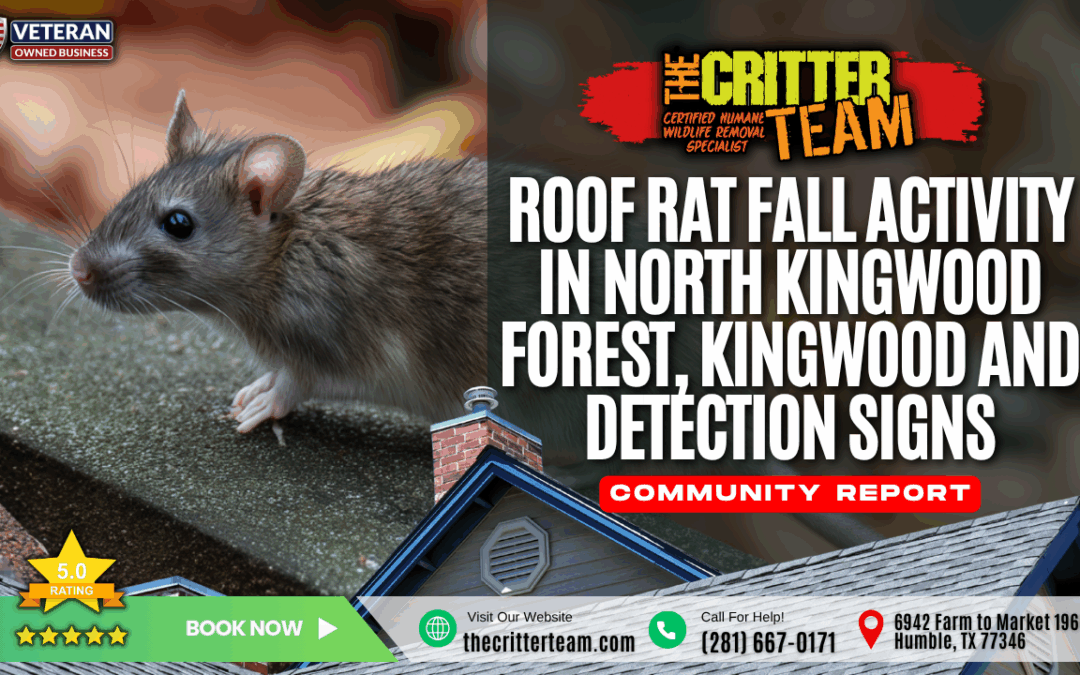
In Kingwood Greens, roof rats become more active during fall as colder weather drives them indoors seeking shelter and food. They often nest in attics, wall voids, or nearby trees, causing damage to wiring, insulation, and structures. Signs include gnaw marks, droppings, and unusual noises. Preventing infestations involves sealing entry points and maintaining yard cleanliness. To protect homes, understanding their habits and effective control methods is essential—more helpful details follow.
Article Highlights
- Fall cold weather prompts increased roof rat activity in Kingwood Greens as they seek shelter and food indoors.
- Signs include gnaw marks, droppings, attic noises, and sightings in trees or rooflines.
- Entry points around vents, pipes, and damaged siding facilitate roof rat access to homes.
- Sealing gaps, trimming trees, and removing clutter are vital for prevention during the cooler months.
- Professional pest control is recommended for persistent infestations or significant property damage.
Understanding Roof Rat Behavior in Cooler Months
As temperatures drop during the cooler months, roof rats change their behavior to adapt to the changing environment. During this period, their diet shifts as natural food sources become scarce. Roof rats primarily feed on fruits, nuts, grains, and human food waste. They are opportunistic eaters, often scavenging from trash or stored pantry items when available.
Their nesting habits also change with the season; they seek sheltered, elevated areas such as attics, trees, or roof spaces to escape cold weather. These locations provide warmth and safety, making them ideal nesting sites. Roof rats prefer dark, concealed environments that offer protection from the elements and predators.
As food sources diminish outside, they become more reliant on indoor resources, increasing the risk of infestation in homes and structures. Understanding these behavioral adaptations helps in predicting their movement patterns and preparing effective control measures during the colder months.
Common Signs of a Roof Rat Infestation
Signs of a roof rat infestation include droppings and urine trails found around the property.
Damage such as gnaw marks on structures and wiring may also be present.
Additionally, unusual noises in the attic can indicate rat activity.
Droppings and Urine Trails
Droppings and urine trails are common indicators of a roof rat infestation. Recognizing these signs involves droppings identification, which reveals small, pellet-shaped feces with pointed ends. Such droppings are often found along pathways, near food sources, or in hidden corners.
Urine trail detection is equally important; urine marks may appear as faint stains or shiny streaks on surfaces, especially in dark or hidden areas. The presence of these trails indicates frequent rat activity and helps confirm an infestation.
Both signs are vital for early detection and targeted control measures. Regular inspection of attics, wall voids, and crawl spaces can reveal these signs, facilitating prompt removal and preventing further spread of the infestation.
Accurate identification of droppings and urine trails is essential for effective management.
Gnaw Marks on Structures
Gnaw marks on structures are a common indication of a roof rat infestation. These marks often appear on wood, plastic, or soft materials, signaling the rat’s attempt to sharpen teeth or access food sources. Persistent gnawing can lead to structural damage, weakening building components and creating entry points. Recognizing these signs early helps prevent extensive damage and control the infestation.
| Material | Typical Gnaw Marks | Damage Type |
|---|---|---|
| Wood | V-shaped, rough edges | Structural weakening, entry points |
| Plastic | Small, shallow gnaws | Material compromise |
| Wiring | Chewed insulation | Electrical hazards |
| Soft drywall | Punctures, scratches | Structural damage |
| Pipes | Gnawed areas, holes | Water damage, entry points |
Odd Noises in Attics
Unusual noises in the attic are a common indicator of a roof rat infestation. These sounds often include scratching, scurrying, or gnawing, which may occur during night hours. Roof rats are nocturnal, and their activity can be mistaken for other pests, but persistent noises suggest their presence.
They often nest near roof insulation, where they are protected and concealed. The sounds may also be caused by roof rats avoiding avian predators, which patrol the area and threaten their safety.
As they move through insulation and structure, they leave behind droppings and damage. Recognizing these noises early can lead to timely intervention, preventing further damage and controlling the infestation effectively.
Why Fall Is a Critical Time for Roof Rat Activity
As temperatures begin to drop in fall, roof rat activity increases markedly. Cooler weather prompts these rodents to seek shelter and food sources, making fall a critical period for infestation risks.
Roof rats have a diverse diet that includes fruits, nuts, grains, and human food scraps. During fall weather patterns, natural food supplies diminish, pushing rats to scavenge closer to homes. This seasonal shift heightens their presence around structures, especially where food and nesting sites are accessible.
The reduced availability of outdoor resources forces roof rats to explore attics, walls, and basements more aggressively. Additionally, shorter days and cooler temperatures signal them to establish winter nests, increasing activity levels.
Homeowners should be vigilant during this time because the combination of altered roof rat diet and changing fall weather patterns creates ideal conditions for infestations. Early detection and control measures are essential to prevent significant property damage and health issues.
How Roof Rats Enter and Nest in Your Home
Roof rats typically enter homes through small openings in the roof, walls, or foundation. These entry points include gaps around vents, pipes, utility lines, and damaged siding.
Roof rats often enter through small gaps around vents, pipes, and damaged siding.
Once inside, roof rats seek sheltered areas for roof rat nesting, often choosing attics, wall voids, or cluttered storage spaces. They are skilled climbers and can access roofs via trees, branches, or fences, then find cracks or holes in the roof or eaves.
Roof rats prefer warm, hidden environments for nesting, especially during fall and winter months. They may use existing holes or create new ones by gnawing through soft materials like wood, plastic, or insulation.
Identifying and sealing potential entry points is vital to prevent infestation. Understanding how roof rats enter and nest in homes helps homeowners implement effective exclusion measures and minimize the risk of sustained infestations.
Proper inspection and prompt repairs are essential for long-term control.
Potential Damages Caused by Roof Rats
Roof rats can cause significant damage to a home’s structure and possessions. Their roof rat breeding habits enable rapid population growth, increasing the risk of extensive destruction.
As they build nests in inaccessible areas such as attics, wall voids, and ceilings, they often chew through wiring, insulation, and wood framing. This gnawing can compromise the structural integrity of a building and create fire hazards due to exposed electrical wiring.
Additionally, roof rats are known carriers of diseases, which they can transmit through urine, droppings, and bites. Their nesting materials, which include shredded paper, fabric, and insulation, can lead to mold growth and further damage to insulation systems.
The presence of these rodents can also result in contaminated food supplies, foul odors, and increased cleaning costs. Overall, unchecked roof rat activity present serious risks to both the safety and value of a property.
Preventative Measures to Protect Your Property
Preventative measures are vital for protecting a property from roof rat infestations. Proper urban landscaping can reduce rat attractants by removing clutter, clearing debris, and trimming tree branches away from the roof.
Dense shrubbery and overgrown vegetation provide cover and pathways for rats to access the home, so maintaining a neat landscape minimizes this risk. Seasonal gardening should focus on eliminating food sources such as fallen fruits or vegetables and storing compost securely.
Sealing entry points, including gaps around vents, pipes, and utility lines, prevents rats from gaining access. Additionally, installing barriers or screens around vulnerable openings enhances defense.
Regular inspections during colder months are essential, as rats seek shelter indoors. Combining these landscaping and gardening practices with routine property maintenance creates an environment less hospitable to roof rats, thereby reducing the likelihood of an infestation and protecting the structural integrity of the property.
Effective Trapping and Baiting Strategies
Selecting the right traps and placing bait correctly are essential for effective roof rat control.
Proper trap types and strategic bait placement increase the chances of catching rats quickly.
Implementing these methods can help reduce infestations efficiently.
Choosing Effective Traps
Effective trapping and baiting are essential components of controlling roof rat infestations. Selecting the right traps is critical for success. Snap traps are highly effective if placed correctly and checked regularly. Live traps offer a humane alternative but require frequent monitoring. When choosing traps, consider durability and size suitable for roof rats.
Incorporating DIY deterrents and natural repellents can enhance trapping efforts by discouraging rats from entering targeted areas. These methods may include peppermint oil or ultrasonic devices, which can make the environment less attractive.
Proper trap placement is crucial; position traps along runways, near nesting sites, or close to food sources. Consistent use and strategic placement increase the likelihood of capturing roof rats and preventing further infestation.
Optimal Bait Placement
Proper bait placement is essential to maximize trap effectiveness when controlling roof rat populations. Bait should be positioned in areas where rats are most active, such as along walls, in corners, and near known entry points.
Effective trap positioning involves placing traps close to these activity zones, ensuring they are stable and secure. Using a variety of bait types, including nut-based or fruit-flavored options, can increase attraction.
Avoid placing traps in open spaces or areas with heavy debris, which can deter rats. Regularly check and replace bait to maintain freshness.
Precise bait placement combined with strategic trap positioning enhances the likelihood of capturing roof rats quickly and efficiently, reducing the infestation more effectively.
When to Call Professional Pest Control Experts
Recognizing when to contact professional pest control experts is essential in effectively managing a roof rat infestation. Homeowners should consider calling professionals if signs persist despite initial efforts, such as ongoing damage to housing insulation or frequent sightings.
Professionals have access to specialized pest control chemicals that are more effective and safer than over-the-counter options. If the infestation is widespread, or if rats are nesting in hard-to-reach areas like attics or wall voids, professional intervention is necessary.
Additionally, when evidence of rat activity continues after baiting or trapping, experts can assess the situation accurately. DIY methods may not eliminate the problem fully, especially in cases involving significant contamination or structural damage.
Prompt professional action guarantees thorough removal and reduces health risks associated with rodent-borne diseases. Ultimately, timely engagement with pest control specialists helps prevent further damage and safeguards residents’ health and property.
Long-Term Solutions for Rodent Prevention
Long-term rodent prevention involves implementing proactive measures to keep roof rats from returning. Effective strategies include rodent proofing techniques that seal entry points and eliminate food sources. Homeowners should inspect and repair gaps in walls, roofs, and foundations, ensuring all potential access points are sealed.
Proper storage of food and waste reduces attractants that draw rats indoors. Seasonal pest control programs are essential, as rodent activity often increases during colder months, prompting the need for ongoing monitoring and treatment.
Maintaining a clean yard, trimming trees away from the roof, and removing debris minimizes hiding spots and access routes. Combining these measures creates a hostile environment for roof rats, preventing infestations from establishing.
Consistent application of rodent proofing techniques and seasonal pest control enhances long-term protection, reducing the likelihood of future problems and supporting a pest-free home environment.
Tips for Maintaining a Rodent-Free Home During Fall
Keeping a home free of rodents during fall requires attention to basic safety measures. Sealing entry points prevents rats from gaining access.
Proper food storage removes attractants. Implementing these steps helps reduce the risk of infestations.
Seal Entry Points
Sealing entry points is a crucial step in preventing roof rat infestations during fall. Roof rats can enter homes through small gaps and holes in the foundation, walls, or roof. Identifying these entry points is essential for effective prevention.
Sealing gaps with durable materials such as steel wool, metal flashing, or caulk blocks access and discourages rodents from entering. Pay close attention to areas around utility lines, vents, pipes, and gaps around windows and doors.
Regular inspections help locate new or overlooked entry points before rats can exploit them. Proper sealing not only prevents roof rats from entering but also reduces the likelihood of other pests.
Maintaining a tight seal around potential entry points is a critical measure to keep a home rodent-free during fall.
Store Food Properly
Proper food storage plays a vital role in preventing roof rat infestations during fall. Effective food storage reduces attractants that draw rodents into homes.
To achieve this, use pest proofing techniques such as airtight containers made of metal or thick plastic to store pantry items. Avoid leaving food exposed on countertops or in open bags.
Regularly inspect stored food for signs of pest activity and discard any contaminated items. Keep storage areas clean and dry, and minimize clutter that can provide hiding spots.
Sealing gaps around shelves and cabinets further enhances pest proofing efforts. Maintaining organized, secure food storage minimizes the likelihood of roof rats seeking sustenance indoors, supporting a rodent-free home during colder months.
Proper food management is a key component of extensive pest control.
Frequently Asked Questions
Are Roof Rats Active During Daytime in Cooler Weather?
Roof rats are typically nocturnal, but in cooler weather, diurnal activity can increase as they seek warmth and food. During fall, their behavior may shift slightly, making daytime activity more noticeable, though they primarily remain active at night.
Can Roof Rats Transmit Diseases to Humans and Pets?
Could roof rats pose health dangers? Yes, through disease transmission, they can spread pathogens to humans and pets, increasing health threats. Understanding these risks is vital to prevent potential illness caused by rat-borne diseases.
How Quickly Do Roof Rat Populations Multiply in Fall?
Roof rat populations can multiply rapidly during fall, with breeding cycles leading to population growth within a few months. High reproductive rates, often producing multiple litters annually, contribute markedly to swift rat breeding and population expansion in the area.
Do Roof Rats Prefer Specific Types of Nesting Materials?
Roof rats prefer nesting materials such as shredded paper, insulation, and fabric due to their soft, flexible nature. Their nesting preferences involve materials that provide insulation and concealment, aiding in warmth and protection during colder fall weather.
Are There Eco-Friendly Methods to Control Roof Rat Infestations?
Approximately 70% of rat infestations can be mitigated through environmentally conscious methods like habitat modification and natural repellents, which are effective and sustainable options for controlling roof rats without toxic substances.